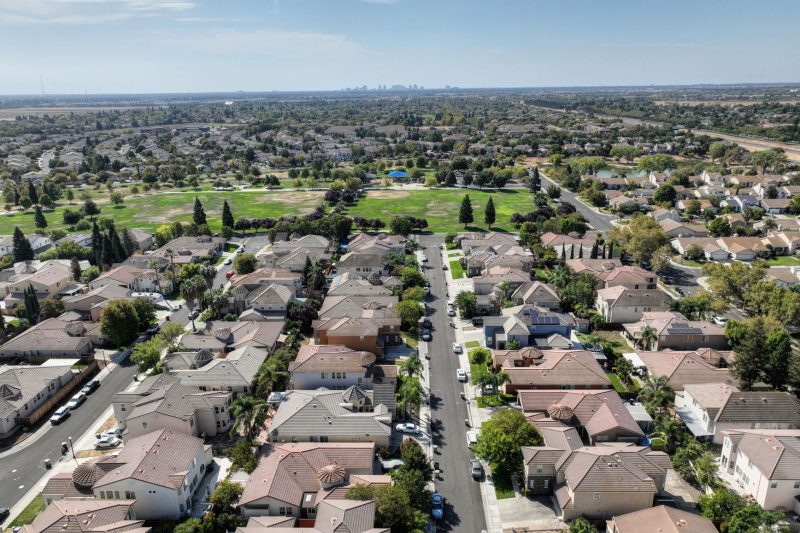
Stepping into the homeownership journey for the first time brings lots of questions, especially when…
First Time Home Buyers: Essential Steps to Purchase a Home in Citrus County

Buying your first home is exciting, but the steps to get from browsing listings to closing can feel overwhelming. First time home buyers need to understand key milestones, from pre-approval and house hunting to offers, inspections, and closing, to have a smooth experience. In this guide, we’ll break down each stage of the process, offer practical tips for Citrus County buyers, and answer the questions we hear most often from new homeowners.
Key Takeaways
- Purpose: Help first time buyers successfully navigate the home purchase process in Citrus County.
- Requirements: Pre-approval for a mortgage, steady income, manageable debts, basic down payment (often as low as 3% for some loan programs), and savings for closing costs.
- Timeline: The typical purchase process—from pre-approval to closing—often takes 30 to 60 days after getting under contract.
- Best For: Renters, new buyers, and those seeking to make Citrus County, Florida, their home.
Quick Answers for First Time Home Buyers
- Do I need a 20% down payment to buy my first home? No—some loan programs allow as little as 3% down, and VA or USDA loans may offer 0% down for eligible buyers.
- Should I get pre-approved before looking at homes? Yes—pre-approval strengthens your offer and helps you understand your true budget.
- What are closing costs? These are fees related to securing your mortgage and buying the property, and can range from 2% to 5% of the purchase price, depending on your scenario.
- Can I buy a home if I have student loans or other debt? Possibly—lenders consider your debt-to-income ratio, so manageable debts are usually acceptable.
- How long does it take to buy a home? After you’re under contract, the process usually takes 30–60 days to close, but preparing with pre-approval and a good agent helps avoid surprises.
What Is a First Time Home Buyer?
A first time home buyer is someone who has not owned a primary residence in the past three years, according to most loan program definitions. You may still qualify for first time buyer benefits—even if you’ve previously owned, as long as you meet this guideline. Many programs also extend to buyers who have only owned investment properties or manufactured homes.
Step 1: Understanding Your Readiness and Budget
The first step is getting a clear sense of your finances, credit, and what you can comfortably afford in Citrus County communities like Sugarmill Woods, Inverness, and Crystal River.
- Check your credit: Most lenders require a minimum credit score, which can vary by loan type. Review your credit for errors and try to pay down existing debts.
- Estimate your budget: Be realistic about what monthly payment works for you, including taxes, insurance, and mortgage insurance if applicable.
- Factor in upfront costs: Besides your down payment, plan for earnest money, inspection fees, appraisal, and closing costs.
Many buyers overestimate the cash needed—talking with a local lender early provides clarity and confidence.
Step 2: Getting Pre-Approved for a Mortgage
A pre-approval is a lender’s written estimate of what you qualify for, based on a full review of your credit, income, and assets. This is much stronger than a casual pre-qualification and is typically required by sellers, especially in areas like Homosassa and Lecanto where listings can move quickly.
- Benefits: Helps focus your search, signals to real estate agents and sellers that you’re fully prepared, and uncovers any potential paperwork or eligibility issues early.
- Process: You’ll provide documents on income, employment, and assets, and your credit will be checked.
- Pre-approval letters: Most are valid for 60–90 days, but can be updated if needed.
Comparing options with an independent mortgage broker gives you access to multiple lender offers, including first time buyer programs, low down payment loans, and grants (if available in your city or county).
Step 3: Choosing the Right Loan Program
As a first time buyer, you have several popular options:
| Loan Type | Down Payment | Key Features | Who It’s For |
|---|---|---|---|
| Conventional | As low as 3% | Flexible, allows gift funds, mortgage insurance required under 20% | Good credit, stable income |
| FHA | 3.5% minimum | More flexible credit, allows higher debt-to-income, mortgage insurance required | Lower credit, smaller down payment |
| VA | 0% (for eligible veterans and service members) | No down payment or monthly mortgage insurance, flexible guidelines | Veterans, active duty, qualifying spouses |
| USDA | 0% (for eligible rural properties) | Must meet location and income limits, no down payment, low mortgage insurance | Rural/edge-of-town buyers |
Loan options and guidelines can change. Talk with your broker about your scenario—owners of manufactured homes, condos, or properties needing repairs may have specialized programs available.
Step 4: Working with a Local Real Estate Agent
A trusted local agent is a key partner for first time home buyers, helping you find homes, negotiate offers, and guide you through inspections and escrow. Look for agents with experience in Citrus County neighborhoods—Spring Hill, Citrus Hills, Weeki Wachee, Brooksville, and others all have unique markets and price trends.
- Ask friends or your loan officer for agent referrals.
- Interview a couple of agents before choosing—communication and local expertise are critical.
- Clarify if you’re signing any exclusivity agreement, and ensure you understand how agent compensation works (usually paid by the seller, not the buyer).
Step 5: Making an Offer and Getting Under Contract
Once you find the right home, your agent will help you craft a strong offer:
- Purchase price: Based on current local sales (your agent will research comparable properties).
- Earnest money deposit: Shows your seriousness—usually a small percentage of the purchase price, held in escrow.
- Contingencies: Standard clauses covering financing, appraisal, inspections, and sometimes the sale of your current home.
- Negotiations: Expect possible back-and-forth on price or repairs.
After your offer is accepted, you are officially “under contract.” This starts the formal escrow process—now you move into due diligence and final mortgage steps.
Step 6: Home Inspection and Appraisal
A home inspection protects you by identifying issues before you’re locked in. While not required by lenders, skipping this step is risky. Most contracts allow you to back out or request repairs based on inspection findings.
- Inspection: Typically scheduled within 7-10 days of contract (can vary).
- Appraisal: Required by your lender, it confirms the property value supports your loan amount; if the appraisal is low, you may need to renegotiate or bring extra funds.
Step 7: Final Mortgage Approval and Closing Disclosure
Your loan moves from pre-approval to a full underwrite—here, the lender reviews property details and updates your documentation. You’ll receive a Closing Disclosure at least three business days before closing, outlining all final terms and costs.
- Stay responsive—return documents, insurance info, and updates promptly.
- Final credit and employment checks are common.
Review your Closing Disclosure thoroughly with your broker so there are no surprises on closing day.
Step 8: Closing on Your New Home
The big day! You’ll sign documents, review your loan terms, get the keys, and start moving. Bring a government-issued ID and any cash needed to close (wired or in a cashier’s check).
After closing, your mortgage payments and homeownership begin. Keep all documents for your records, set up utilities, and enjoy settling into your new Citrus County home.
Tips for First Time Buyers in Citrus County and Surrounding Areas
- Research local property taxes and insurance—costs can vary widely by zip code (especially areas near the Gulf).
- Look for down payment or closing cost assistance—some programs are county- or city-based, and availability changes.
- Budget for ongoing maintenance and repairs—older homes in Brooksville or Inverness may need more initial TLC.
- Stay connected with your loan officer and agent; quick communication keeps your purchase on track.
Ready to Get Started?
Whether you’re just starting your search or ready for a pre-approval, we’re here to walk you through every step—serving buyers across Citrus, Hernando, and Pasco County. Reach out by call, text, or email to review your scenario, compare options, and plan your next move. Early pre-approval planning can save you time and stress when you find the right home.
Frequently Asked Questions
Can I buy a home with zero down payment in Citrus County?
Yes, if you qualify for VA or USDA loan programs. Both offer zero down payment options for eligible buyers and areas, but eligibility and property location rules apply.
How much are typical closing costs for first time buyers?
Closing costs often range from 2% to 5% of the purchase price, depending on the loan type, the property, and local taxes or fees. Some programs may allow seller-paid costs or grant assistance to help with these expenses.
How long does a pre-approval last?
Most pre-approvals are valid for 60 to 90 days, but they can be refreshed with updated documents and a new credit check if you need more time to find the right home.
Is it possible to use down payment gifts from family or friends?
Yes, most loan programs allow all or part of your down payment to come from gifts, but lenders will require documentation showing the funds are a true gift and not a loan that must be repaid.
Can I buy a manufactured home as a first time buyer?
Yes, some loan programs—including FHA, VA, and specialized conventional loans—allow financing for manufactured homes, but the home and land must meet certain requirements. Check with your lender for eligibility and local guidelines.
This is educational and not financial advice. Loan programs and guidelines can change. Talk with a licensed mortgage professional about your specific scenario.

About the Author
Matt Bouchard
Mortgage Broker at MSB Home Loans · NMLS #140807
I grew up in a small suburb of Flint, Michigan—the eldest of four kids, raised by a Vietnam veteran dad who worked the line at GM and a stay-at-home mom who kept our busy household running. That blue-collar upbringing taught me the value of hard work, straight talk, and treating people right.
Specializes in: First Time Buyers, Conventional Loans, VA Loans
Licensed in: FL
Related Posts