Finding financing for a manufactured or mobile home can leave borrowers feeling uncertain and overwhelmed…
Move Up Buyers: How to Secure the Right Mortgage for Your Next Home
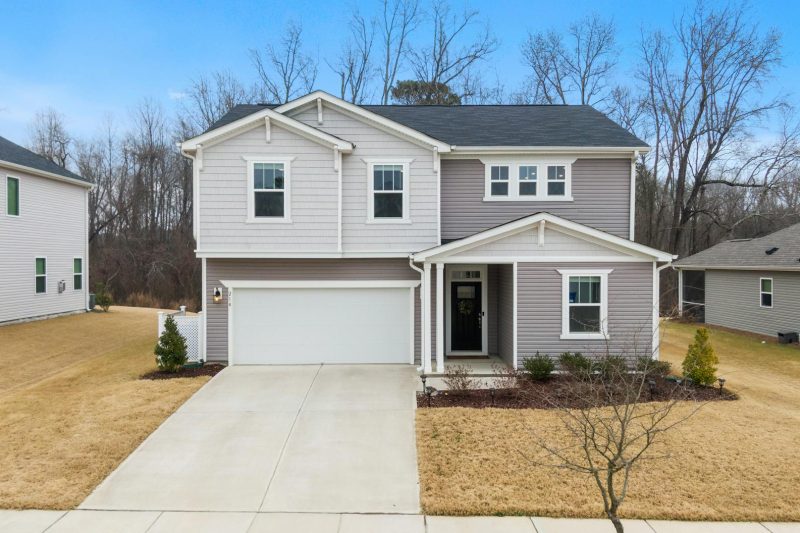
Finding your next home can be exciting, but sorting through mortgage options might add a new layer of stress. Move-up buyers are homebuyers who sell their current property and purchase a new home, often with different financing strategies, timelines, and equity considerations than first-time buyers. In this article, you’ll learn the keys to financing your next home in Citrus County and nearby areas—what’s different the second time around, how to handle contingencies, and what loan types might fit best.
Key Takeaways
- Purpose: Move-up mortgages help you finance a new home when transitioning from an existing property.
- Equity: The equity in your current home can often be used toward your next down payment.
- Requirements: Lenders will look at income, debt, credit, your current home’s sale, and assets for qualification.
- Timeline: The process frequently depends on coordinating your existing home sale with your new purchase.
- Best For: Homeowners in Citrus, Hernando, and Pasco counties seeking a larger or different home.
Quick Answers for Move-Up Buyers
- Can I buy before I sell my current home? Many buyers can use bridge loans, home equity, or qualify to carry two mortgages temporarily, but guidelines and risks vary—talk to your lender early.
- Do I have to use my full sale proceeds as a down payment? You’re not required to, but putting more down can reduce your monthly payment and avoid mortgage insurance.
- What happens if my home doesn’t sell in time? Contingency clauses and flexible closing options can help, but it’s important to discuss backup plans with your lender and real estate agent.
- Do loan requirements change for move-up buyers? Often, credit and debt-to-income standards are similar, but larger loan amounts, jumbo loans, and asset documentation may come into play.
- Can I get pre-approved before listing my home? Yes—pre-approval is a smart first step and helps you shop confidently for your next property.
What Is a Move-Up Buyer?
A move-up buyer is someone who owns a home, but wants—or needs—to buy a new one that better suits their goals or situation. Reasons often include a need for more space, relocating within Citrus County or nearby areas like Spring Hill or Inverness, or wanting specific home features. Unlike first-time buyers, move-up buyers have existing equity and must think strategically about how and when to transition between properties.
How the Move-Up Mortgage Process Works
The team at MSB Home Loans (NMLS# 2166082) works with buyers throughout Homosassa, Crystal River, Lecanto, and more to coordinate the steps unique to move-up purchases. Here’s a simplified overview:
- Evaluate Your Current Mortgage and Equity: Review your current payoff, estimated home value, and equity—these influence down payment options for your next purchase.
- Get Pre-Approved: Upfront pre-approval based on your income, debt, and proposed down payment strengthens your position as a non-contingent buyer (if you qualify to buy before selling).
- Work With Your Realtor: A dual-licensed mortgage broker and Realtor can help coordinate sale and purchase timing, manage contingencies, and negotiate both deals smoothly.
- Choose a Loan Type: Options range from conventional and VA loans to bridge or home equity loans—each has pros and cons for move-up buyers, and requirements differ.
- Sell Your Current Home (if applicable): Decide if you’ll sell before, after, or at the same time as your next purchase, knowing each route affects your financing options.
- Close on Your Next Home: Your lender will guide you on timing, documentation, and handling proceeds from your sale if funds are used for the purchase.
Comparing Financing Options for Move-Up Buyers
Move-up buyers in Citrus County often have more options than first-time buyers. Here’s how the most common loan types compare:
| Loan Type | Typical Down Payment | Key Benefits | Limitations |
|---|---|---|---|
| Conventional | As low as 5% (often higher for non-first-time buyers) | Flexible terms; avoid mortgage insurance with 20% down; works for primary, secondary, or investment homes | Stricter credit and debt-to-income standards compared to government loans |
| VA | 0% if VA entitlement available | No down payment for eligible veterans; less strict credit; no monthly mortgage insurance | Requires VA eligibility and entitlement; must intend to occupy the new home |
| Bridge Loan | Depends on equity in current home | Access next down payment before selling; shorter-term solution | Higher rates and fees; limited availability and stricter criteria |
| HELOC | Varies based on equity and lender | Flexible access to funds, could use for improvements or next purchase | Must qualify to carry two properties, rates can be variable |
The right strategy depends on your timeline, asset situation, and comfort with temporary carrying costs. Always verify current loan program guidelines with your broker to ensure eligibility.
Preparing Your Finances for the Transition
Securing your next home typically means providing documentation for both your current and future mortgage. You’ll want to gather:
- Most recent pay stubs and W-2s
- Tax returns (often two years’ worth, especially if self-employed)
- Statements for checking, savings, and investment accounts
- Mortgage statement and payoff from your current home
- Listing or sale contract if your home is already under contract
Lenders evaluate your ability to handle two mortgages if you’re buying before selling, or confirm you’ll have funds from your sale for closing if selling first. Debt-to-income ratio is a big focus—so knowing your numbers early can prevent surprises.
Should You Buy Before, After, or Simultaneously?
Each approach has tradeoffs:
- Buy Before You Sell: Gives you control and time to move but may require bridge financing or sufficient income/assets to qualify for both mortgages temporarily.
- Sell Before You Buy: Safer in terms of budgeting since you know your proceeds, but might require temporary housing between closings.
- Close Simultaneously: Ideal for minimizing moving twice, but timing and flexibility are needed. Contingencies negotiated with buyers and sellers add complexity.
Local real estate dynamics in Citrus County, Hernando County, and Pasco County can impact your choice, so work closely with your loan officer and Realtor to align all the moving pieces.
Tips for a Smooth Move-Up Mortgage Experience
- Start with a pre-approval: This makes offers stronger and identifies any issues before you list your home.
- Clarify your equity: Know your current home’s likely sale price and any liens; this informs your next down payment and buying budget.
- Discuss bridge or HELOC options early: Not all lenders offer the same programs or terms—availability may vary regionally.
- Work with independent, local professionals: Brokers familiar with Sugarmill Woods, Crystal River, Weeki Wachee, and neighboring communities can help anticipate area-specific details.
- Remain flexible on closing dates: The more adaptable you are, the smoother your transition between homes can be.
Let’s Talk About Your Move-Up Plans
Every move-up situation is unique—whether you’re looking in Lecanto, Brooksville, or Homosassa, having a plan helps reduce surprises. Reach out by phone, text, or email and let’s review your goals, compare options, and map out next steps. We’re happy to walk through pre-approval strategies, timelines, and what documentation you’ll want to gather before your search kicks off.
Frequently Asked Questions
Can I use a VA loan as a move-up buyer?
If you still have VA entitlement available and plan to occupy the new property, you may be able to use a VA loan for your next home. Always check with a VA-approved lender for your specific eligibility before making offers.
What if my current home doesn’t sell in time?
This is a common concern. Contingency clauses, bridge loans, or extended closings may provide solutions. Your lender and Realtor can help you set up backup plans so you’re not left in a bind.
How can I estimate how much I’ll qualify for on my next home?
Pre-approval reviews your credit, income, debts, and estimated down payment. Factoring in your current mortgage or anticipated sale proceeds is essential. Most buyers find it helpful to run the numbers with a broker before looking at homes.
Are there special loan programs for move-up buyers in Florida?
Most standard loan programs—like conventional, VA, FHA, and USDA—are available to move-up buyers if you meet the guidelines. Some programs have special options for those buying and selling in close succession; a local broker can help you review what fits.
How quickly can I close on my next home?
Typical purchase closings may take a few weeks, but your sale and purchase timing, loan type, and local factors can all affect the timeline. Planning ahead with your lender can help you stick as close to your preferred move date as possible.
This is educational and not financial advice. Loan programs and guidelines can change. Talk with a licensed mortgage professional about your specific scenario.

About the Author
Matt Bouchard
Mortgage Broker at MSB Home Loans · NMLS #140807
I grew up in a small suburb of Flint, Michigan—the eldest of four kids, raised by a Vietnam veteran dad who worked the line at GM and a stay-at-home mom who kept our busy household running. That blue-collar upbringing taught me the value of hard work, straight talk, and treating people right.
Specializes in: First Time Buyers, Conventional Loans, VA Loans
Licensed in: FL
Related Posts