Buying or refinancing a rental property can be confusing when the lender’s rent calculation does…
DSCR Loans: How Real Estate Investors Can Expand Their Portfolio
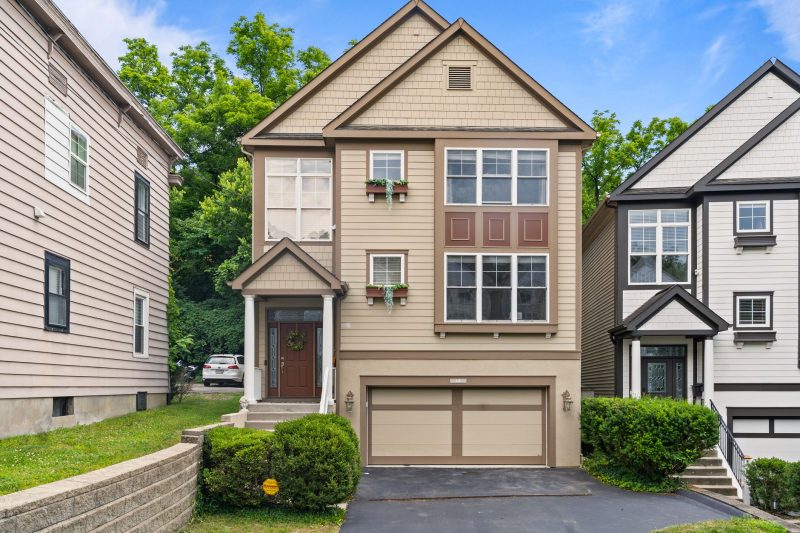
Many real estate investors want to grow their rental holdings, but run into speed bumps qualifying for traditional mortgages.
DSCR loans are investment property loans that qualify borrowers based on property cash flow, not traditional income documentation.
In this article, we’ll explain what DSCR loans are, how they work, who can benefit, and the pros and cons for investors in places like Citrus County, Homosassa, and the surrounding areas.
Key Takeaways
- Purpose: DSCR (Debt Service Coverage Ratio) loans help investors qualify for rental property financing based on rental income, not personal employment income.
- Eligibility: Approval is based on the property’s cash flow and rent history; borrower personal income is not the main factor.
- Down Payment: Minimum down payments are typically higher than primary residence loans; varies by lender and borrower scenario.
- Timeline: DSCR loans can close in as little as a few weeks, depending on documentation and the property itself.
- Best For: Real estate investors, self-employed buyers, and those seeking to build rental portfolios in Florida without standard income documentation.
Quick Answers: DSCR Loan Basics
- What is a DSCR loan? A DSCR loan is a type of mortgage used for investment properties, where approval comes from the property’s rental income covering the mortgage payment.
- Who uses DSCR loans? Investors, including LLCs or individuals buying rental properties, often use this program when their personal income doesn’t meet lender guidelines.
- How is DSCR calculated? The Debt Service Coverage Ratio is the property’s gross rent divided by the monthly mortgage payment (including taxes/insurance); lenders usually require a minimum ratio.
- Are DSCR loans available for short-term rentals? Many lenders allow Airbnb/VRBO rentals, but requirements and calculation methods vary. Ask about specifics for your scenario.
What Is a DSCR Loan?
A DSCR loan is a mortgage designed for real estate investors, where the main qualifying factor is the property’s ability to generate enough rental income to cover the monthly payment. DSCR stands for Debt Service Coverage Ratio. The calculation compares the property’s gross monthly rent to the new mortgage payment (principal, interest, property taxes, insurance, and association dues if applicable).
For example, if a property is expected to rent for $2,000 per month and the total mortgage payment is $1,500, the DSCR is 1.33. Many lenders look for a ratio of at least 1.0 or above, but guidelines vary.
Why Do Investors Use DSCR Loans?
Traditional investment property loans require personal income documentation and debt-to-income (DTI) calculations. For investors with self-employment income, multiple properties, or complex tax returns, this can be limiting.
With DSCR loans, the focus shifts to the property’s cash flow. If the expected rent can cover or exceed the mortgage payment, the borrower can often qualify—even without W-2s, tax returns, or pay stubs.
At MSB Home Loans (NMLS# 2166082), we see many Florida investors use DSCR loans to:
- Qualify without full tax returns or traditional employment documentation
- Add rental properties to their portfolio, even after their personal DTI would limit them with standard loans
- Finance both long-term and short-term rental properties, including those in Citrus County, Homosassa, and neighboring areas
Explore more options on our DSCR loan program page.
How Does DSCR Loan Qualification Work?
Step 1: Property Cash Flow Review
Lenders analyze the subject property’s gross market rent, often validated by an appraiser through the comparable rent schedule. If you’re buying, projected rent is used; for refinancing, actual leases are reviewed.
Step 2: Calculate Debt Service Coverage Ratio
The property’s income is divided by the total monthly mortgage costs. A DSCR of 1.0 means rent exactly covers the payment. Ratios above 1.0 are stronger and often required for the best terms.
Step 3: Down Payment and Reserves
DSCR loans generally require larger down payments compared to owner-occupied mortgages. The required amount depends on rental history, property type, and credit profile, but it’s common to see minimums of 20-25%.
Lenders might also want to see funds set aside for reserves—such as 3-6 months of payments.
Step 4: Title Held in Personal Name or Entity
You often have the option to hold title in your personal name, under an LLC, or other legal entity. This can provide flexibility for your investment strategy—speak with your financial and legal advisors about the best setup for you.
DSCR Loan Pros and Cons for Investors
| Pros | Cons |
|---|---|
|
|
DSCR Loan Requirements: What Lenders Look For
- Property Income: Sufficient rental income to cover the proposed mortgage payment
- Credit Score: Lenders often have a minimum credit score, but the focus is more on property than personal finances
- Property Type: Most common for 1-4 unit rentals, including single-family homes, condos, and townhomes
- Down Payment: Typically higher than primary home loans; varies by lender and risk profile
- Title Ownership: Can often close in personal name or under a legal entity (check legal/tax implications)
Can I Use Short-Term Rental Income?
Many Florida investors want to finance Airbnb or VRBO rentals in areas like Crystal River or Lecanto. Some DSCR lenders will allow projected short-term rental income based on either historical rent data or appraiser projections—others use long-term market rent estimates. Be sure to clarify with your lender which approach applies to your property.
Who Should Consider a DSCR Loan?
DSCR loans are well-suited to investors who:
- Own multiple rental properties and have exceeded personal DTI guidelines
- Are self-employed or have complex income situations
- Want to buy property through an LLC
- Plan to finance short-term or long-term rentals
- Need flexible underwriting focused on cash flow, not W-2s or tax returns
It’s common in Citrus County, Spring Hill, and the surrounding areas for borrowers to use DSCR financing as they scale their portfolios.
How Does a DSCR Loan Compare to Other Investment Loans?
| Loan Type | Primary Qualifying Factor | Typical Down Payment | Best For |
|---|---|---|---|
| DSCR Loan | Property cash flow (rent vs. payment) | Higher (often 20%+) | Investors needing non-QM income documentation |
| Conventional Investment Loan | Personal DTI, income, and credit | Typically 15-20% | Investors with W-2 income or strong tax returns |
| Bank Statement Program | Business or personal bank deposits | Usually higher than conventional | Self-employed borrowers, gig economy |
If your scenario fits another program, you can learn more about our bank statement loan options as well.
DSCR Loan Process: Step-by-Step
- Get a property and rent evaluation: Preliminary rent estimates help you know if the deal makes sense.
- Apply and provide basic documents: Application is streamlined—usually just ID, asset statements, and property info.
- Appraisal and rent schedule: Appraiser visits property and provides estimated market rent.
- Loan approval based on DSCR: Underwriter confirms rent and mortgage payment meet ratio requirements.
- Close and fund: Typical DSCR loans can close fairly quickly, especially when buyers are organized.
Keep in mind, DSCR loans are not currently eligible for properties you plan to occupy as your primary home, and loan terms, qualifying DSCR ratios, and property restrictions can all vary by lender.
Ready to Review Your Investment Scenario?
Whether you’re growing your portfolio in Citrus County, Pasco, Hernando, or anywhere across Florida, DSCR loans offer investors creative options beyond traditional income qualification. If you want to review if your rental deal is a good fit, compare options, and map out your steps to pre-approval, call, text, or email us any time. Our team can walk you through the DSCR loan process, estimate eligible property types, and help you take the next step toward your investing goals.
Frequently Asked Questions
Can I use DSCR loans for short-term rentals like Airbnb?
Yes, many DSCR lenders allow short-term rentals, but calculation methods and eligibility depend on the lender's specific guidelines. Some use projected market rent, others may want documented rental history. Always confirm these details with your lender before proceeding.
Do I need to verify my employment or provide tax returns?
With DSCR loans, lenders primarily focus on the property's income, not the borrower's personal employment or tax returns. You’ll still need to verify your identity and provide proof of assets for the down payment and reserves.
What types of properties are eligible for DSCR loans?
DSCR loans usually cover 1-4 unit residential properties like single-family homes, condos, and townhouses. Some lenders may also allow multi-units or mixed-use buildings, depending on the scenario.
Can I put the property in an LLC or business name?
Yes, many DSCR lenders allow title to be held under an LLC or other business entity, which can provide flexibility and protection for investors. Lender requirements for entities can differ, so always confirm upfront.
Are DSCR loan rates higher than conventional investment loans?
DSCR loans generally come with higher interest rates and down payment requirements compared to conventional investment loans. This reflects the more flexible qualifying and higher risk to the lender.
This is educational and not financial advice. Loan programs and guidelines can change. Talk with a licensed mortgage professional about your specific scenario.

About the Author
Matt Bouchard
Mortgage Broker at MSB Home Loans · NMLS #140807
I grew up in a small suburb of Flint, Michigan—the eldest of four kids, raised by a Vietnam veteran dad who worked the line at GM and a stay-at-home mom who kept our busy household running. That blue-collar upbringing taught me the value of hard work, straight talk, and treating people right.
Specializes in: First Time Buyers, Conventional Loans, VA Loans
Licensed in: FL, MI
Related Posts