Saving enough cash to buy your first home can feel difficult when you are unsure…
First-Time Buyer Mortgage: Preapproval Checklist
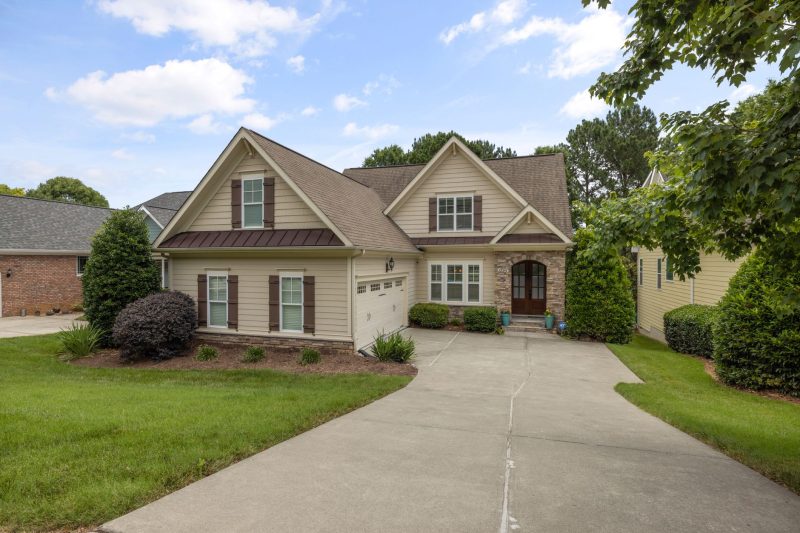
Buying your first home can feel exciting and uncertain, especially when you are not sure what a lender will review. A mortgage preapproval is a lender’s preliminary assessment of how much you may be able to borrow based on your credit, income, assets, debts, and the loan program’s current guidelines. At MSB Home Loans (NMLS# 2166082), we use this checklist to help first-time buyers understand what to prepare, what may need attention, and what to expect before shopping for a home in Citrus County and nearby communities.
Key Takeaways
- Purpose: Preapproval helps establish a realistic home price and loan structure before you make an offer.
- Documents: We typically review identification, income, employment, assets, debts, and credit history.
- Loan Options: First-time buyers may qualify for conventional, FHA, VA, USDA, or other mortgage programs.
- Timeline: A complete and accurate application can usually be reviewed more efficiently than one with missing or unclear information.
- Next Step: Preapproval is a planning tool, not a final loan approval or a guarantee of financing.
Quick Answers About Mortgage Preapproval
- How early should we start? Ideally, begin before touring homes so there is time to review credit, documents, and potential loan options.
- What documents are commonly needed? Recent income records, bank statements, identification, employment information, and documentation for other funds or obligations are common starting points.
- Does preapproval involve a credit check? A verified mortgage preapproval commonly includes a credit report, although the process and type of inquiry can vary.
- Does preapproval guarantee final approval? No. Final approval depends on updated borrower information, underwriting, the property, appraisal requirements, title work, and other loan conditions.
- Do we need a specific property first? Usually not. Initial preapproval can be completed before choosing a home, but the eventual property must meet the program’s requirements.
What Is a First-Time Buyer Mortgage Preapproval?
A first-time buyer preapproval is not a separate type of mortgage. It is the review process used to determine which mortgage programs and price ranges may fit a buyer’s financial profile.
A person may be considered a first-time buyer under some programs even if they owned a home in the past. Definitions vary by program, and some use a lookback period or provide exceptions. We verify the applicable rules rather than assuming that prior ownership automatically disqualifies someone.
Preapproval is also different from prequalification. Prequalification may rely largely on information supplied by the borrower, while a preapproval generally includes a more detailed review of supporting documents and credit. The terminology and depth of review can vary by lender.
Our First-Time Buyer Preapproval Checklist
1. Homeownership Goals and Estimated Budget
We begin with the buyer’s plans rather than immediately focusing on the maximum possible loan. A comfortable budget can be different from the highest payment allowed under program guidelines.
We discuss the anticipated purchase price, available funds, preferred monthly housing expense, property type, and expected timeframe. We also ask whether the buyer is considering an existing home, manufactured home, condominium, or new construction because property requirements can affect the loan options.
For buyers in Homosassa, Crystal River, Inverness, Lecanto, or Sugarmill Woods, we also account for local property taxes, homeowners insurance, flood insurance when applicable, and possible homeowners association expenses. These costs affect the total monthly payment.
2. Identity and Basic Application Information
A mortgage application requires accurate identifying and residential information. We typically review:
- Legal name and date of birth
- Social Security number or other applicable identification
- Current address and recent housing history
- Citizenship or eligible residency information when required
- Current rent or housing payment
Information should be consistent across the application and supporting documents. Name variations, address differences, or credit-report discrepancies may require an explanation or additional documentation.
3. Employment and Income
Qualifying income must generally be stable, documentable, and expected to continue under the applicable program rules. The amount deposited into a bank account is not always the same as the income an underwriter can use.
Depending on the borrower’s situation, we may review:
- Recent pay statements
- W-2 forms or tax returns when required
- Employment history and employer contact information
- Overtime, bonus, commission, or seasonal income history
- Self-employment business and personal records
- Retirement, disability, support, or other eligible income documentation
Variable income often requires an established history and an averaging calculation. Employment gaps, recent job changes, or a move from salaried to self-employed work do not automatically end the discussion, but they may affect which income can be counted.
4. Assets, Down Payment, and Closing Funds
We review both the amount of money available and where it came from. Funds may be needed for the down payment, closing costs, prepaid taxes and insurance, inspections, or financial reserves.
Commonly reviewed assets include checking and savings accounts, eligible investment accounts, retirement funds, proceeds from another property, and properly documented gift funds. Large or unusual deposits may need to be explained and sourced.
Some conventional programs permit down payments starting at 3%, while FHA financing may start at 3.5% for qualified borrowers. Eligible VA and USDA borrowers may have a 0% down payment option. These minimums do not include every closing expense, and eligibility, property rules, mortgage insurance, fees, and reserve requirements vary.
5. Credit History and Monthly Debts
Mortgage qualification considers the full credit profile, not only a credit score. We review payment history, balances, account types, recent inquiries, collections, public records when applicable, and the monthly obligations shown on the credit report.
Common monthly debts include:
- Auto loans and leases
- Credit card minimum payments
- Student loans
- Personal or installment loans
- Other mortgages
- Court-ordered obligations when applicable
Debt-to-income ratio compares qualifying monthly debts with qualifying gross income. Acceptable ratios vary by loan program, credit profile, reserves, automated underwriting findings, and other factors. A higher credit score does not automatically offset excessive monthly obligations.
6. Property Type and Occupancy Plans
The intended use of the property affects financing. We confirm whether the home will be a primary residence, second home, or investment property. First-time buyer benefits and low-down-payment programs are generally centered on primary residences.
We also discuss whether the buyer is considering a single-family home, condominium, multi-unit property, or manufactured home. Each may have additional appraisal, project, foundation, insurance, or property-condition requirements.
Which Loan Programs May Fit a First-Time Buyer?
No single mortgage program is right for every first-time buyer. We compare the available structures based on eligibility, credit, income, property location, available funds, and long-term plans.
| Loan Program | Key Feature | What We Review |
|---|---|---|
| Conventional | Down payments may start at 3% for eligible borrowers. | Credit, income, debts, reserves, mortgage insurance, and conforming guidelines. |
| FHA | Down payments may start at 3.5% for qualified borrowers. | Credit profile, qualifying income, required mortgage insurance, and property standards. |
| VA | Eligible service members, veterans, and qualifying surviving spouses may finance with no down payment. | Certificate of Eligibility, entitlement, residual income, credit, occupancy, and property requirements. |
| USDA | Eligible properties and households may qualify for no-down-payment financing. | Property location, household income limits, repayment ability, and program eligibility. |
Buyers can review our broader list of mortgage loan options or read more about the FHA home loan program. Guidelines, rates, fees, and available programs can change, so current information should be verified for the specific application.
What Happens After We Review the Checklist?
- Complete the application: The buyer provides accurate information about income, assets, debts, employment, and housing history.
- Submit supporting documents: We compare the documents with the application and identify missing or inconsistent details.
- Review credit and program guidelines: We evaluate potential programs and, when applicable, submit the file through an automated underwriting system.
- Discuss payment and cash needs: We estimate principal, interest, taxes, insurance, mortgage insurance, and other applicable housing expenses.
- Issue a preapproval when supported: The letter normally identifies a price or loan amount and remains subject to stated conditions.
- Update the file as needed: Documents and credit information may need to be refreshed before or after a purchase contract is signed.
A seller or real estate agent may ask for a preapproval letter with an offer. We can discuss how the letter should reflect the offer while keeping the buyer’s financial information appropriately limited.
What Should Buyers Avoid After Preapproval?
A financial change between preapproval and closing can affect eligibility. Before making a major move, buyers should discuss it with their loan originator.
- Opening or co-signing new credit accounts
- Financing a vehicle, furniture, or other major purchase
- Changing employment or compensation structure without discussing the effect
- Moving large amounts of money without retaining documentation
- Depositing cash that cannot be acceptably sourced
- Missing payments or increasing credit card balances
- Using down payment funds for unrelated expenses
Normal financial activity does not need to stop, but clear records matter. Tell us about changes early so we can review their possible effect under current guidelines.
Local Costs to Include in a Citrus County Budget
The purchase price is only one part of affordability. Properties in Citrus County, Hernando County, and Pasco County can have different tax, insurance, flood-zone, association, and maintenance considerations.
For example, a home near the coast or waterways around Homosassa and Crystal River may have different insurance questions than a property farther inland. Homes around Brooksville, Weeki Wachee, or Spring Hill may also vary in taxes, association costs, and property characteristics. We use property-specific information once a buyer has an address rather than relying only on broad estimates.
Prepare for a Clearer Preapproval Conversation
Gathering documents early can help uncover questions before an offer is on the table. If the initial review identifies a credit, income, or savings issue, we can explain what is affecting the file and what documentation or planning steps may be worth discussing. That does not guarantee future approval, but it creates a clearer path forward.
We are a small independent mortgage brokerage, so borrowers work directly with a loan originator rather than a call center. Matt Bouchard has over two decades in the mortgage industry and is a licensed mortgage broker in Florida and Michigan, NMLS #140807.
If you are preparing to buy in Citrus County, Hernando County, or Pasco County, we invite you to call, text, or email us. We can review your scenario, compare available options, and help you understand the next steps in your preapproval plan.
Frequently Asked Questions
Can gift funds be used for a first-home purchase?
Gift funds may be allowed for some or all of the required funds, depending on the loan program and donor relationship. The lender typically requires a gift letter and documentation showing the transfer and source of the money.
How are student loans treated during mortgage qualification?
Student loans generally must be included in the debt review, even when payments are deferred or income-based. The payment used for qualification depends on the loan program, credit report, account documentation, and current guidelines.
Can a self-employed first-time buyer qualify for a mortgage?
Self-employed buyers may qualify when their income and business history meet the selected program’s requirements. Tax returns, business records, profit-and-loss statements, and other documents may be required, with the usable income determined through underwriting calculations.
Can a first-time buyer finance a manufactured home?
Manufactured home financing may be available, but the home, land, title, foundation, age, and property classification must meet program requirements. Eligibility varies by loan type and lender, so the property details should be reviewed early.
What happens if the purchase price changes after preapproval?
A different purchase price can change the down payment, loan amount, monthly payment, cash needed, and qualification analysis. We should review the revised offer before it is finalized because a previous preapproval may need to be updated.
This is educational and not financial advice. Loan programs and guidelines can change. Talk with a licensed mortgage professional about your specific scenario.

About the Author
Matt Bouchard
Mortgage Broker at MSB Home Loans · NMLS #140807
I grew up in a small suburb of Flint, Michigan—the eldest of four kids, raised by a Vietnam veteran dad who worked the line at GM and a stay-at-home mom who kept our busy household running. That blue-collar upbringing taught me the value of hard work, straight talk, and treating people right.
Specializes in: First Time Buyers, Conventional Loans, VA Loans
Licensed in: FL, MI
Related Posts