
Stepping into the homeownership journey for the first time brings lots of questions, especially when…
First Time Home Buyer Loans: Credit Requirements Explained Step-by-Step
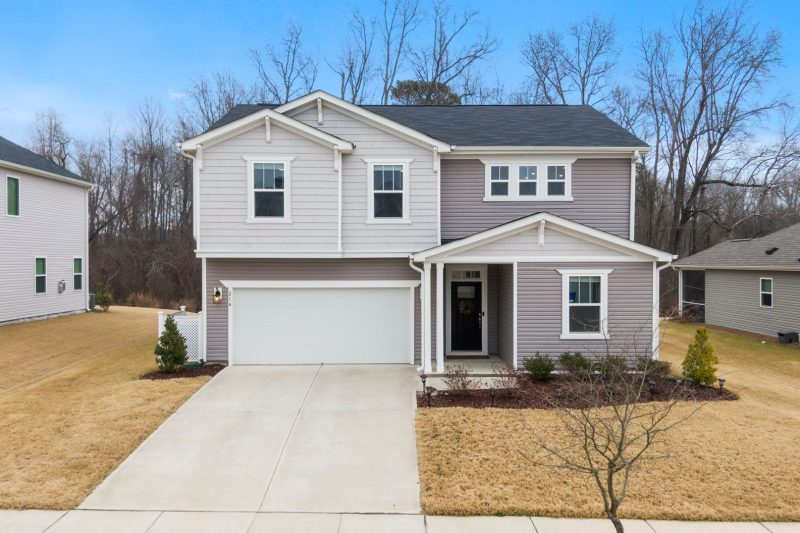
Buying your first home can be stressful, especially when you’re not sure how your credit will affect your ability to get a mortgage. Most first-time homebuyer loan programs require a minimum credit score alongside other criteria, but exact requirements vary based on loan type and lender. In this article, we’ll break down the typical credit guidelines for first-time buyers in Citrus County, what affects your eligibility, and practical ways to get loan-ready if you’re starting out.
Key Takeaways
- Purpose: Credit requirements help lenders assess risk when approving first-time buyer loans.
- Requirements: Most programs require a minimum credit score and look at your overall payment history, debts, and income.
- Timeline: The mortgage process usually involves a credit check upfront and again before closing.
- Best For: First-time buyers planning to purchase in Citrus County, Hernando, or Pasco County who want to understand their qualification basics.
Quick Answers
- What is the minimum credit score for a first-time buyer loan? Most loans require at least a 620 credit score, but some options may accept lower scores with additional requirements.
- Do all lenders use the same credit score cutoff? No; credit requirements can differ between lenders and loan programs.
- Will checking my credit hurt my score? One mortgage inquiry typically has a minor impact, and multiple inquiries within a short timeframe usually count as one.
- Can I get a loan with little or no credit history? It’s possible, but you may need to show alternative credit (like rent or utility payments) or consider specialized loan programs.
How Lenders View Credit for First Time Homebuyers
Your credit report and score help lenders decide if you qualify for a mortgage and at what terms. At MSB Home Loans (NMLS# 2166082), we help buyers across Citrus County and neighboring areas understand how different credit factors come into play. Here’s what lenders typically look at:
- Credit Score: A three-digit number (usually FICO) that measures how likely you are to repay debt on time.
- Credit History: Your track record with loans, credit cards, and on-time payments.
- Debt-to-Income Ratio (DTI): Compares your monthly debts to your income; high debt with low credit can be a barrier.
- Derogatory Events: Issues like late payments, collections, bankruptcies, or foreclosures may require waiting periods or additional documentation.
Typical Minimum Credit Scores for Common First-Time Buyer Loans
| Loan Type | Typical Minimum Credit Score | Notes |
|---|---|---|
| Conventional (Fannie Mae/Freddie Mac) | 620 | Higher score often needed for best rates/lowest PMI. |
| FHA | Usually 580 | Lower scores may be possible with larger down payments. |
| VA | Often 600–620 | Guidelines vary by lender; flexible for qualified veterans. |
| USDA | Usually 620 | Rural property and income limits apply, see local guides. |
All numbers are general guidelines—individual lenders and programs may set higher or lower requirements. Market conditions and regulations can change, so it’s important to check updated eligibility rules or talk to a mortgage professional.
How Your Credit Score Impacts Your Loan Choices
Your credit score doesn’t just affect approval—it can also influence your down payment, interest rate, and loan options. Here’s how:
- Lower scores: May require a larger down payment and could lead to higher monthly payments due to increased mortgage insurance.
- Higher scores: Often mean more loan choices and potentially better rates.
- Score bands: Lenders may use tiered score bands (e.g., 620–639, 640–679, etc.), so even a few extra points can improve your options.
Common Credit Issues First-Time Buyers Face
Many buyers come to us with concerns about:
- Limited Credit History: Not enough established accounts; alternative credit may help, such as proof of steady rent or utility payments.
- Recent Late Payments: Isolated missed payments might not disqualify you, but repeated issues can be a barrier.
- High Credit Card Balances: Reducing balances can quickly improve your score and your debt-to-income ratio.
- Collections, Charge-Offs, or Judgments: Some may require resolution or waiting periods—guidelines vary by loan type.
Steps to Prepare Your Credit for a Home Loan
- Review all three credit reports: Check for errors or outdated accounts (get free reports annually at AnnualCreditReport.com).
- Dispute inaccuracies: Correct mistakes directly with credit bureaus.
- Pay down revolving debt: High balances on credit cards can hurt your score more than you think.
- Make all payments on time: Payment history is a major credit factor and late payments are heavily weighted.
- Avoid new debt: Hold off on applying for new credit cards, car loans, or other loans until after closing.
Starting your preparation at least three to six months before you plan to buy can make a big difference—even small changes may add points to your score.
What If Your Credit Doesn’t Meet the Minimums?
If your score is below the threshold for the program you want, don’t panic. You have options:
- Work with a local mortgage broker who can shop multiple lenders and potentially find flexible programs.
- Consider Down Payment Assistance or state-sponsored first-time buyer programs, which may have slightly different criteria.
- Allow time for positive changes to reflect on your credit report after you pay down debt or fix errors.
- In some cases, providing additional documentation or a larger down payment may help.
Pre-Approval: Why It Matters and What to Expect
Pre-approval is your ticket to shopping for homes with confidence—and it nearly always starts with a credit check. During this process, we’ll review your credit, income, assets, and debts. The credit pull for a mortgage counts as a “soft hit” if you’re rate shopping over a few weeks, so it typically doesn’t harm your score significantly.
Getting pre-approved is the best first step—even if your credit isn’t perfect, you’ll know exactly where you stand and can build a road map toward closing day.
Local Insight: Citrus County and Beyond
Mortgage programs and guidelines are generally the same across Florida, but certain options may be especially helpful for buyers in Citrus County, Hernando County, and Pasco County. Whether you’re looking in Homosassa, Sugarmill Woods, Lecanto, Crystal River, or nearby, our independent, locally-based team can help you compare first-time buyer loans and credit requirements.
Compare Loan Types: First-Time Buyer Credit Guidelines
| Program | Credit Criteria | Flexible for Limited Credit? | Other Notes |
|---|---|---|---|
| Conventional | 620+, strong history preferred | Not typically | Lower PMI with higher scores |
| FHA | 580+, may allow lower with large down payment | Yes | Good for limited or “thin” credit files |
| VA | 600–620 (varies by lender) | Some programs OK with limited or alternative credit | Active-duty or eligible veteran status required |
| USDA | 620+, strong payment history | Sometimes with strong compensating factors | For eligible rural properties/income levels |
Next Steps: Start Building Your Mortgage Readiness
No matter your starting point, knowing the credit requirements for first-time buyers is the first step toward homeownership. Our team specializes in helping first-time buyers and move-up buyers sort through loan options, understand credit requirements, and map out a plan for approval—whether you’re ready to buy in Homosassa or just starting your journey in Citrus Hills.
Ready to find out where you stand? Call, text, or email us for a no-obligation review of your scenario. We’ll compare your loan options, walk you through pre-approval planning, and help you move closer to your new home with confidence.
Frequently Asked Questions
What credit score do most first-time homebuyers need?
Most programs require a minimum credit score of 620, but FHA loans may go as low as 580 or sometimes lower with larger down payments. Always check current guidelines, as requirements may change.
Can I qualify with no credit history?
It may be possible using alternative credit sources like rental or utility payment history, especially through FHA or VA loan programs. Lender guidelines vary, so speak with a mortgage broker about your specific situation.
Will checking my credit for a mortgage hurt my score?
A single mortgage inquiry usually has minimal impact on your score. Multiple mortgage inquiries over a short period (typically around 30 days) are generally counted as a single inquiry for scoring purposes.
What happens if my score is just below the minimum?
Some lenders offer programs with slightly lower requirements or may help you create a plan to boost your score before applying. Each lender sets their own policies, so flexibility can differ.
Do I need perfect credit to get the best loan terms?
Loan pricing generally improves with higher credit scores, but you do not need perfect credit to qualify for favorable programs or rates. Speak with a mortgage professional to explore your options based on your score.
This is educational and not financial advice. Loan programs and guidelines can change. Talk with a licensed mortgage professional about your specific scenario.

About the Author
Matt Bouchard
Mortgage Broker at MSB Home Loans · NMLS #140807
I grew up in a small suburb of Flint, Michigan—the eldest of four kids, raised by a Vietnam veteran dad who worked the line at GM and a stay-at-home mom who kept our busy household running. That blue-collar upbringing taught me the value of hard work, straight talk, and treating people right.
Specializes in: First Time Buyers, Conventional Loans, VA Loans
Licensed in: FL
Related Posts