Buying a home outside city limits can open up new possibilities, but covering the up-front…
USDA Loans: How to Qualify with Income and Property Guidelines Explained
Buying a home in rural areas like Citrus County can be a wonderful opportunity, but understanding if you meet USDA loan qualifications sometimes feels confusing. A USDA loan is a government-backed mortgage program that helps borrowers in eligible rural and suburban areas buy a home with no down payment, but income and property guidelines must be met. In this article, we’ll break down who can qualify for a USDA loan, how income is calculated, and what properties and locations are eligible.
Key Takeaways
- Purpose: USDA loans are designed to help borrowers buy homes in eligible rural and some suburban areas with low or no down payment.
- Income Eligibility: Your total household income must not exceed published limits for your county and household size.
- Property Eligibility: The home must be located in a USDA-eligible rural area and used as your primary residence.
- Timeline: Pre-approval to closing often takes similar timeframes as other mortgages; property eligibility checks can be done early on.
- Best For: Buyers seeking affordable financing options in eligible locations throughout Citrus, Hernando, or Pasco Counties.
Quick Answers: USDA Loan Qualifications
- Can I earn too much for a USDA loan? Yes; there are published household income limits based on location and family size.
- Are all homes in Citrus County eligible? No; only properties in designated USDA rural areas qualify. Some towns or neighborhoods may not be eligible.
- What kind of homes can I buy? Single-family homes, some condos, and certain manufactured homes may be eligible if they meet USDA guidelines.
- Is a down payment required? USDA loans allow for 0% down payment if you qualify, though closing costs and reserves may still apply.
- Are credit requirements strict? Credit score minimums often apply, but USDA loans may offer some flexibility compared to conventional loans.
What Is a USDA Loan?
A USDA loan is a mortgage backed by the United States Department of Agriculture, aimed at encouraging homeownership in qualifying rural and suburban areas. These loans stand out for providing 100% financing—meaning no down payment is required if you meet guidelines. Borrowers must use the home as a primary residence, and both income and property must meet program rules.
At MSB Home Loans (NMLS# 2166082), we help buyers throughout Citrus County and surrounding areas determine if a USDA loan is a good fit and walk through all eligibility checks up front.
USDA Loan Income Guidelines: Who Can Qualify?
Income limits are central to the USDA loan program. The USDA publishes household income caps that vary by county and the number of people living in the home. It’s not just the applicant’s income, but all household members’ income (even those not on the loan) that counts toward the limit.
- Household income: Includes borrower, co-borrower, any other adults or children with income residing in the home.
- County limits: Each county has a different maximum allowable household income. For Citrus, Hernando, and Pasco Counties, be sure to check the most recent USDA tables or ask your lender to confirm.
- Adjusted income: The USDA allows certain deductions (for dependents, childcare expenses, disabled household members, etc.) when calculating final eligibility.
If your adjusted household income is within current limits, you may move forward in the USDA loan process. Deductions and specifics can vary, so speak with a broker familiar with local guidelines to accurately calculate your eligibility.
Property Eligibility: Is the Home USDA-Qualified?
Not every home or location will qualify for a USDA loan. The USDA provides an online property eligibility tool to check specific addresses. Here’s what’s required:
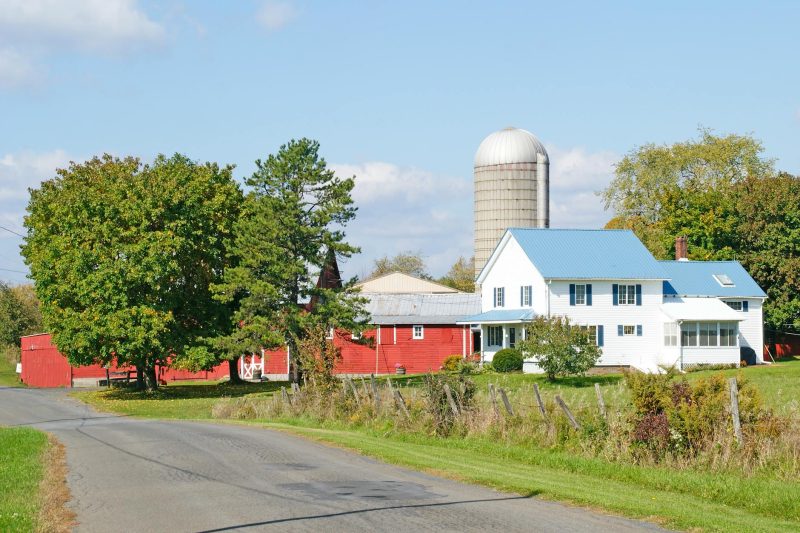
- Location: The property must be in a designated rural or suburban area as defined by the USDA. In Citrus County, areas such as Homosassa, Crystal River, Inverness, and Lecanto often have eligible zones; however, property boundaries may change as populations grow.
- Property type: Most single-family homes, certain condos, and some manufactured homes are eligible. No vacation homes, rentals, or mixed-use properties.
- Occupancy: You must use the property as your primary residence.
- Condition: The home must meet USDA’s safety and livability standards.
Check early in your search that the home’s address qualifies. If unsure, your lender or Realtor can help confirm eligibility before making an offer.
USDA Property Eligibility Example
A home in Sugarmill Woods or Crystal River may qualify if the census tract is included by the USDA. In growing areas, some neighborhoods once eligible may no longer qualify after the next census update—so eligibility is always verified using your exact address.
Other USDA Loan Requirements
In addition to income and property location, these program requirements apply:
- Credit history: Most lenders look for a credit score of at least 620-640, but flexibility is possible depending on the overall profile.
- Debt-to-income (DTI) ratio: Lender guidelines may vary, but your total monthly debts should fit within USDA and lender limits as assessed with your income.
- U.S. citizenship or eligible immigration status: Applicants must be U.S. citizens, nationals, or qualified non-citizens.
- Stable income and employment: Lenders typically want to see stable, ongoing income (often with at least a two-year history).
How to Check Eligibility: Step-by-Step
- Verify Property Eligibility. Use the USDA property eligibility map or ask your mortgage broker to confirm a specific address.
- Estimate Household Income. Add up all sources of income from every household member. Consider deductions allowed under USDA guidelines.
- Compare to County Guidelines. Reference the latest USDA income limits for Citrus, Hernando, or Pasco County, based on your household size.
- Consult a Lender. Reach out to a mortgage broker to run a full, accurate income and eligibility calculation, and review your credit and DTI picture.
- Get Pre-Approved. With eligibility confirmed, your lender will guide you through USDA pre-approval and next steps to purchase your home.
USDA Loan vs. Other Low Down Payment Mortgages
| Program | Down Payment | Income Limits? | Location Limits? | Primary Residence Only? |
|---|---|---|---|---|
| USDA Home Loan | 0% (eligible buyers) | Yes | Yes (rural/suburban only) | Yes |
| FHA Loan | 3.5% minimum | No | No | Yes |
| Conventional – 3% Down | 3% minimum | Some programs only | No | Yes |
| VA Loan | 0% (eligible veterans) | No | No | Yes |
If you aren’t sure whether USDA, FHA home loan, or another low down payment program fits your situation, we can help you compare in detail.
Common Scenarios: USDA Loans in Citrus, Hernando, and Pasco Counties
- First-time homebuyers looking for 0% down and affordable payments
- Move-up buyers seeking a primary residence in eligible rural areas
- Borrowers planning to purchase in areas such as Homosassa, Crystal River, Weeki Wachee, Lecanto, or Brooksville
- Manufactured home buyers (if home meets USDA and lender criteria)
Local market knowledge is helpful because some communities have mixed eligibility blocks—one subdivision qualifies while the next does not. Partnering with a local broker like us who stays current on localized eligibility can save time and frustration.
To explore other options that may fit your needs, you can also review our full loan options menu.
Ready to See If You Qualify? Here’s What to Do Next
If you’re thinking about buying in Citrus, Hernando, or Pasco County and want to explore USDA loan eligibility, we invite you to reach out. We’ll review your scenario, compare loan options, and help you understand your personal income and property qualification picture. Pre-approval planning is a no-pressure way to clarify your buying power and get ahead in today’s home market.
Frequently Asked Questions
What is the maximum income for a USDA loan?
USDA income limits vary by county and household size, and they are updated annually. All household income, not just the borrower's, is considered when determining eligibility. Deductions for dependents and certain expenses are allowed when calculating final adjusted income.
Which properties qualify for a USDA loan?
To qualify, the property must be in a USDA-designated rural or eligible suburban area and serve as your primary residence. Most single-family homes, some condos, and manufactured homes can qualify if they meet all USDA and lender requirements.
Can I use a USDA loan to buy a fixer-upper?
USDA loans typically require properties to be in move-in-ready condition and to meet basic safety and livability standards. Major fixer-upper or renovation properties generally do not qualify unless critical repairs are completed before closing or financed through a specialized USDA repair/rehab program.
Does my credit score affect USDA loan approval?
Yes, lenders usually look for a minimum credit score, often in the 620–640 range, though exceptions are sometimes possible. The stronger your credit, the smoother your approval process may be, but USDA guidelines consider the entire financial picture.
What is the process to apply for a USDA loan?
Start by speaking with a licensed mortgage broker to review your household income, desired property location, and eligibility. Your broker will confirm all criteria, help you get pre-approved, and guide you step-by-step through the USDA loan process.
This is educational and not financial advice. Loan programs and guidelines can change. Talk with a licensed mortgage professional about your specific scenario.

About the Author
Matt Bouchard
Mortgage Broker at MSB Home Loans · NMLS #140807
I grew up in a small suburb of Flint, Michigan—the eldest of four kids, raised by a Vietnam veteran dad who worked the line at GM and a stay-at-home mom who kept our busy household running. That blue-collar upbringing taught me the value of hard work, straight talk, and treating people right.
Specializes in: First Time Buyers, Conventional Loans, VA Loans
Licensed in: FL
Related Posts